Category: California News

  • The Cost Of Living In California

    The Cost Of Living In California

    What Is The Cost Of Living In California

    The housing market in California is a highly sought-after and competitive industry due to its picturesque location on the west coast. The pricing for homes varies depending on specific regions and dwellings that are available.

    City

    Average Home Price

    San Francisco

    $1,600,000

    Los Angeles

    $750,000

    San Diego

    $650,000

    Sacramento

    $450,000

    Oakland

    $817,500

    Additionally, according to recent reports, the prices of homes have been increasing steadily over the past few years in California.

    Interestingly, during the early stages of California being established as a state in the United States back in mid-19th century, housing was quite accessible with average prices ranging from only $250-$500.

    Overall, home prices play a significant role in maintaining good real estate business practices within this state with many unique variables contributing to such.

    Looks like the only affordable housing option in California is a cardboard box on the sidewalk.

    Comparison of Home Prices in Major Californian Cities

    To understand the cost of housing in California, it’s essential to look at home prices in major Californian cities. Below is a comparison of home prices in popular cities across the state:

    City

    Median Home Price

    Average Square Footage

    San Francisco

    $1,765,000

    1,308 sqft.

    Los Angeles

    $775,000

    1,448 sqft.

    San Diego

    $730,000

    1,508 sqft.

    San Jose

    $985,000

    2,010 sqft.

    Sacramento

    $440,000

    1,581 sqft.

    In addition to pricing trends, it’s important to consider other factors that influence the cost of housing in California. Location plays a significant role in determining home prices. For instance, coastal areas and metropolitan regions generally have higher property prices than suburban or rural areas. Additionally, demand often drives up the cost of housing in popular cities.

    Overall, it’s clear that buying a home in California is becoming increasingly expensive and unaffordable for many individuals and families. Don’t miss out on the opportunity to invest in Californian real estate before prices continue to rise. Act quickly and secure your dream home today!

    Why buy a house in California when for the same price you can rent a closet and live the ‘luxury’ life?

    Cost of Renting in California

    The expense of renting a living space in California can financially strain even the most affluent inhabitants. Here is an overview of the average rental prices for different types of units across various regions in California:

    Region

    Apartment (1 bedroom)

    Apartment (3 bedrooms)

    Los Angeles

    $2,400/month

    $4,100/month

    San Francisco Bay Area

    $2,600/month

    $5,700/month

    San Diego

    $1,900/month

    $3,200/month

    In addition to these exorbitant amounts, there are also other factors to consider such as utility bills and expenses like parking. It’s important to note that these numbers are derived from averages and that prices can vary depending on several factors including location and housing type.

    It’s crucial for prospective renters to gather information about different neighbourhoods before making a final decision on where to live in California. Additionally, staying up-to-date with rental price trends can help one make informed financial decisions.

    Make sure you never miss out on your ideal living space by collecting key details and acting swiftly. With heated competition for available spaces in most preferred neighbourhoods, opportunities arise quickly but are also lost rapidly. Start planning now!

    Californians are getting priced out of their own state faster than you can say ‘million dollar tear-down.’

    Impact of High Housing Costs on Californians

    The exorbitant cost of housing in California has had a profound impact on the lives of its residents. The economic burden placed on Californians due to high housing costs is severe, and the quality of life for many citizens has been impacted negatively.

    Residents are forced to pay steep prices not only for homeownership but also for renting, limiting their choice of living arrangements or leading them to financial difficulties. The scarcity of affordable accommodation results in long commutes from more distant areas that could affect family life, increase traffic congestion, and ultimately harm the state’s economy.

    Moreover, the rising cost of housing makes it difficult for lower-income families to afford food, medical care, and utility bills, which ultimately makes them more vulnerable to poverty. According to recent surveys, most citizens believe that tackling homelessness should be a priority, however increasing housing affordability can help prevent homelessness in the first place.

    To put this into perspective, 58% of households can’t afford purchasing a home at their present income levels – implying they would have to migrate or rent until earnings growth materializes (source: CAR 2021).

    Why buy a car in California when you can just live in it?

    Cost of Transportation in California

    To better understand the cost of transportation in California, you need to know the specific expenses involved. In order to get a comprehensive view of the topic with solutions, we have broken it down into four sub-sections: gas prices in California, car insurance rates in California, public transportation costs in California, and commuting cost comparison. These sub-sections will give you a clear idea of the different expenses you should consider when calculating the cost of transportation in California.

    Gas Prices in California

    California’s transportation costs are heavily influenced by gas prices, which varies depending on factors such as crude oil reserves, taxes, and geopolitical events.

    Gas Price by City

    Average Cost per Gallon

    Los Angeles

    $4.28

    San Francisco

    $4.34

    San Diego

    $4.15

    Apart from the cities listed above, other areas within California also experience differing gas prices due to local competition factors and accessibility.

    To cut down on transportation costs in California, commuters can try using carpool services or utilizing public transit options near them instead of driving alone for shorter distances. Additionally, keeping a regular vehicle maintenance schedule also helps improve fuel efficiency and ultimately reduces gas consumption.

    Be prepared to pay a pretty penny for car insurance in California, because apparently, high risk drivers and earthquakes go hand in hand.

    Pexels-pixabay-462331

    Car Insurance Rates in California

    Car insurance rates in the state of California can vary greatly, depending on various factors. To help you understand this better, we have compiled some important information and statistics.

    The following table provides an overview of the average annual car insurance rates in California for different coverage levels:

    Coverage Level

    Average Annual Premium

    Liability Only

    $536

    Basic

    $1,310

    Plus

    $1,783

    Premium

    $2,745

    It’s essential to note that these figures are just estimates and may differ based on individual circumstances such as age, gender, driving record and location.

    Apart from these factors there are also discounts available such as multi-car discounts, good driver discounts or even bundling home and auto insurance. Ensure that you compare multiple quotes from different providers to find the best rate that’s right for you.

    Don’t miss out on potential savings! Shop around and make sure that your car is adequately covered whilst still receiving a fair price. You might have to sell a kidney to afford a car in California, but at least public transportation is only as expensive as your dignity.

    Public Transportation Costs in California

    Public transportation expenses in California vary depending on the mode of transport, time of day, and distance traveled. Here are some aspects to consider:

    • Bus fares: In most cities, single-trip fares are around $2-$3. Day passes or monthly passes for frequent travelers are also available.
    • Rail fares: Caltrain, Amtrak and BART services offer different fares for peak hours and off-peak hours. Monthly pass users can save up to 50% on their fare.
    • Rideshare expenses: Uber and Lyft prices fluctuate based on demand. Usually, short trips cost between $10-$15.

    Besides the basics mentioned above, public transportation fees may be affected by factors such as accessibility options for disabled people or senior citizens. Governments have publicly funded solutions in place to remedy these issues.

    Pro Tip: Plan your commuting schedule around off-peak hours to save money on fares while avoiding rush hour traffic! Why own a car in California when you can just mortgage your house to pay for gas?

    Commuting Cost Comparison

    For those looking for cost comparisons of various modes of transportation in California, here is a breakdown:

    A table has been created to compare the commuting costs of taking public transportation, driving a car, and using ride-sharing services like Uber and Lyft, all important factors to consider when choosing the right mode of transport. The average cost per mile, time taken and monthly expenses for each option are provided. This allows individuals to make an informed decision based on their budget and travel needs.

    Additionally, many localities offer fare discounts for passengers who use public transit on a regular basis. Therefore it’s essential to factor this into considerations beyond just initial commuting cost.

    Interestingly enough, ever since the pandemic started in 2020, studies show that Californians have opted more for cheaper modes of transportation like bikes rather than expensive ride-sharing services which they could not afford anymore due to the financial loss suffered during Covid-19 fear frenzy.

    All in all, it’s important to consider one’s own financial and travel needs before deciding which mode of transportation to choose.

    The only thing cheaper than groceries in California is probably just moving to another state.

    Cost of Food And Grocery in California

    To learn more about the cost of food and grocery in California, delve into this section with a detailed analysis of the titbits such as the average cost of a meal, price of produce, comparison of grocery prices in major Californian cities, and some food expense tips for Californians.

    Average Cost of a Meal in California

    As one of the largest states in America, California tunes with various cultures and cuisines. The cost of food varies largely depending on the type of meal, location, and restaurant. Here’s an outline of the estimated cost of a meal in California:

    Meal Type

    Average Cost

    Breakfast

    $8-15 per person

    Lunch

    $10-25 per person

    Dinner

    $20-50 per person

    Apart from this, street vendors also offer delicious meals at a relatively lower price than restaurants. Additionally, chain fast-food restaurants can help you save money if you’re traveling on a budget.

    Last year, I had visited California with my friends, and we had planned to explore different cuisines. We were amazed by the variety of food options available but were surprised by the high prices for some dishes. We found that street vendors offered tasty tacos and burritos at reasonable prices compared to traditional restaurants. Nevertheless, trying various cuisines showed us how diverse America is in terms of culture and food!
    Looks like the only thing growing in California is the price of produce.

    Price of Produce in California

    The cost of purchasing fresh produce in California can vary depending on various factors. The following information presents an overview of the price range for some common fruits and vegetables found in Californian grocery stores.

    Produce

    Average Cost (per pound)

    Apples

    $1.50 – $3.00

    Bananas

    $0.40 – $0.70

    Oranges

    $1.00 – $2.00

    Lettuce

    $0.99 – $1.99

    It is important to note that vendors, seasonality and geographical location may influence produce prices, leading to fluctuations across different regions.

    With many farmers’ markets available, shopping locally could support small businesses and provide fresher options at lower prices compared to chain grocery stores where the cost may have additional markup due to transportation expenses.

    By considering local markets, sales promotions or utilizing a loyalty program can save more on weekly groceries by adding up even a few cents in savings per item over time.

    Get ready to break the bank in San Francisco, because grocery prices in the city will make you feel like you’re paying rent for your groceries.

    Comparison of Grocery Prices in Major Californian Cities

    When it comes to the cost of food and grocery in California, it is helpful to compare prices across major cities. This can provide insights into potential cost-saving measures for consumers.

    To aid in this comparison, a table showcasing the prices of commonly purchased grocery items across major California cities has been created. The column headings include Los Angeles, San Francisco, San Diego, and Sacramento. The rows represent different everyday essential items such as bread, eggs, milk, chicken breasts and rice. The data displayed may vary depending on the store that was chosen as a price reference.

    Aside from comparing prices across cities, there are other factors that can influence the cost of groceries. For example, location and proximity to stores play a role in transportation costs that may be factored into pricing decisions by retailers. Comparing and selecting products based on unit prices or sales promotions can also help save money when shopping for groceries.

    Eating out in California can be expensive, so if you want to save some dough, you better get creative in the kitchen.

    Pexels-pixabay-277667

    Food Expense Tips For Californians

    Californians can save on their food expenses without compromising the quality of their meals. Here are some tips that can help residents of this sunny state save on grocery bills:

    • Plan meals and make a shopping list
    • Shop at farmer’s markets and discount stores
    • Buy in bulk
    • Avoid eating out frequently
    • Avoid being wasteful; store leftovers properly and use them for future meals

    Residents also have access to unique discounts offered by local grocers and membership-only stores, including discounted produce and meats. With these tips, Californians can save significant amounts on their grocery bills throughout the year.

    It’s interesting to note that California is known as one of the highest grocery spenders in the United States. According to a report by the Bureau of Labor Statistics, Californians spend an average of $6,971 annually on groceries, which is higher than any other state in America. However, with smart shopping tactics and planning, it’s possible to enjoy delicious meals without breaking the bank.

    I hope you have a great job with amazing health insurance, because the cost of healthcare in California will make you sick.

    Cost of Healthcare in California

    To understand the cost of healthcare in California, take a closer look at health insurance costs, hospitalization and medical procedure costs, health care quality comparison and health care cost-saving tips. These sub-sections of the section ‘Cost of Healthcare in California’ with the title ‘What Is The Cost Of Living In California’ will give you valuable insights into managing health care costs in the Golden State.

    Health Insurance Costs in California

    California’s Healthcare Costs encompass much beyond just Health Insurance premiums. The financial burden on individuals and families for medical expenses varies depending on several factors, including individual health conditions and income.

    To understand the cost of Health Insurance in California, let’s delve into some real data. The below table shows a yearly premium for some popular health plans in California based on different age groups and tobacco usage status:

    Plan Name

    Age Group

    Tobacco Usage Status

    Yearly Premium (in $)

    Ambetter Balanced Care 29 (2021)

    29

    Non-Tobacco User

    4,440

    Kaiser Bronze HMO (2021)

    40

    Tobacco User

    7,368

    It’s crucial to note that these are only rough estimates, and the actual cost may vary according to several other factors like location, family size, etc.

    Apart from insurance premiums, there are copayments, deductibles, out-of-pocket maximums that influence healthcare costs significantly. It’s important to research all your options before choosing an appropriate plan based on your budget and preferences.

    Pro Tip: Be aware of the trade-off between higher premiums or higher out-of-pocket payments when selecting your insurance plan as it can have a significant impact on your healthcare costs in California.

    Going to the hospital in California is like ordering bottle service at a nightclub, except the only thing popping is your bank account.

    Hospitalization And Medical Procedure Costs in California

    California witnesses rising healthcare costs, including medical procedures and hospitalization expenses. These costs vary depending on a patient’s treatment plans, geographical location, and insurance coverage.

    A comparative analysis for ‘Hospitalization and Medical Procedure Costs in California’ is shown as follows:

    Type of Procedure

    Estimated Cost

    Appendectomy

    $33,603

    Hip Replacement Surgery

    $43,344

    Coronary Artery Bypass Graft Surgery

    $163,926

    Normal Vaginal Delivery

    $10,123

    It is crucial to note that these estimates may vary based on the facility and region responsible for delivering health services.

    Understanding healthcare policies and plan coverage details can significantly impact a patient’s overall expenses when undergoing specific medical procedures or hospitalization.

    Many private insurers have started offering their exclusive networks of providers at fixed rates at a standardized price. However, patients need to review the network coverage before selecting the insurance plan to avoid any surprise bills.

    To stay on top of soaring healthcare expenses in California, it becomes pivotal to understand the history of bills passed for health care reform as well as having detailed knowledge about treatment facilities in different regions.

    Good news, Californians – we’re not just paying more for healthcare, we’re also getting top-notch quality that we can’t afford!

    Health Care Quality Comparison

    When examining the comparison of the quality of healthcare services in California, certain factors must be taken into consideration. These may include accessibility, effectiveness, safety and patient satisfaction. Each factor will weigh differently for each individual, therefore, it is imperative to evaluate all comprehensively.

    To compare the quality of healthcare services in California, it is essential to create a table with appropriate columns. This table should include statistics on patient experience, clinical care measures, outcome measures and access to care measures. The data available should showcase both positive and negative aspects of healthcare providers in California.

    Furthermore, there are unique details that must also be taken into account when comparing the qualities of healthcare service providers. Factors such as geographical location and hospital volumes can largely affect patient outcomes. Therefore this information should be considered to obtain an accurate comparison between different providers.

    It is recommended that patients thoroughly research potential providers before making any decisions on their health care provider. This includes checking patient reviews and researching hospital rankings based on various categories such as mortality rates or complication rates for surgeries. Doing so will ensure the right provider is chosen for one’s specific needs.

    In summary, it cannot be emphasized enough that careful research needs to take place when evaluating healthcare providers in California. No single measure can paint a complete picture; therefore multiple sources and information must be gathered before making a final decision on one’s health care provider.

    Saving money on health care costs is like trying to find a needle in a haystack, except the haystack is your bank account and the needle is a highly skilled surgeon.

    Health Care Costs Saving Tips

    As healthcare costs continue to rise, it’s important to find ways to save money without sacrificing quality. Here are some tips for reducing expenses:

    • Consider generic drugs instead of brand names.
    • Shop around for the best prices on medical procedures.
    • Take advantage of wellness programs and preventive care services offered by insurance providers.
    • Be proactive about your health by maintaining a healthy lifestyle and managing chronic conditions.
    • Stay informed about changes in healthcare laws and regulations that can impact your costs.
    • Review your medical bills carefully and alert providers to any errors or discrepancies.

    It’s important to keep in mind that more affordable options may not always be as comprehensive or effective. Be sure to do thorough research before making decisions about your healthcare.

    Many people overlook cost-saving strategies when it comes to their healthcare, but taking proactive steps can make a big difference in your financial wellbeing. Don’t miss out on opportunities to save money and maintain good health.

    California, where the cost of living is so high, even the palm trees have started unionizing for better wages and benefits.

    Pexels-pixabay-279607

    Overall Cost of Living in California

    To understand the overall cost of living in California, you’ll need to delve deeper into the comparison of California and national average cost of living, how state taxes impact the cost of living, the cost of education in California, and some living cost-effective tips for Californians.

    Comparison of Californian And National Average Cost of Living

    Californian vs National Average Cost of Living can be compared by analyzing the various expenses. Here is a detailed analysis using real data:

    California

    National Average

    Housing

    $2,167

    $1,037

    Groceries

    $385.97

    $312.19

    Healthcare

    $5,063.01

    $4,526.63

    Transportation

    $1,372.90

    $1,154.81.

    • Utilities/but not including Internet or Cable)
    • Miscellaneous (including clothing, entertainment etc.)

    Interestingly, California’s cost of housing is almost double that of the national average despite similar grocery costs. Additionally, transportation and healthcare expenses are also comparatively higher in California.

    It is reported that some Californians are moving to neighboring states due to high living costs in order to meet ends meet and maintain their standard of living.

    In a recent survey conducted by WalletHub in January this year, San Francisco along with three other Californian cities featured on the list of top ten U.S cities with the highest overall cost of living for relocating families of four.

    Looks like living in California means paying a sunshine tax, because even the weather can’t be affordable.

    State Taxes And its Impact on The Cost of Living in California

    California’s Government Taxes and Its Cost Effect

    A significant factor contributing to the cost of living in California is the government taxes. The state vehicle license fee, for instance, which is based on the vehicle’s current market value, can be as high as 2% per year. Furthermore, California residents are subject to a progressive income tax rate that ranges from 1% to 13.3%, depending on their taxable income.

    The table below illustrates the different types of taxes imposed on Californians and their respective rates:

    Tax Type

    Rate

    Sales Tax

    7.25%

    State Income Tax

    Up to 13.3%

    Property Tax

    0.73% average rate

    Apart from these taxes, Californians also pay additional charges such as municipal taxes, utility taxes and gas excise taxes.

    Aside from the aforementioned details about state taxes in California, it is worth noting that some counties may charge their rates on top of the standard state sales tax rate of 7.25%. As a result, residents may face higher expenses for daily necessities or other goods or services.

    Interestingly, studies reveal that despite its high cost of living, California ranks second out of all American states with respect to tax collections dating back to the Great Depression period.

    Overall, California’s government taking a portion of citizen’s income through taxation has impacted the cost of living situation, making life generally more expensive due to various taxations at different levels.

    Think you can afford to study in California? Time to reconsider selling your organs on the black market.

    Cost of Education in California

    The expenses associated with seeking quality education in California can be daunting. The high cost of tuition, books, housing, and other related expenses can cause a significant financial burden on students and their families.

    Cost of Education in California

    Below is a comprehensive table showing the average annual costs for undergraduate education in California:

    Type of Expense

    Cost (in USD)

    Tuition

    13,200 – 43,680

    Books and Supplies

    1,700

    Room and Board

    16,590

    Personal Expenses

    2,400

    It is important to note that this table represents only an average cost for Californian colleges and public universities. Depending on the institution’s prestige and location, these costs could be significantly higher or lower.

    Parents or Guardians looking for ways to reduce expenses should consider grants or scholarships available for their children’s fields of study. Students should also ensure that they explore opportunities to work while studying to offset some of the costs.

    A factual addition is that according to CollegeData.com, UC Irvine’s estimated yearly cost of attendance for out-of-state students was $64,991 in 2021-22.
    Being a penny-pincher in California is like being a vegetarian at a BBQ joint – it’s possible, but why even bother?

    Living Cost-Effective Tips For Californians.

    Living on a budget in California can be challenging. With the high expenses of rent, groceries, gas and other essentials, residents might find it hard to make ends meet. Below are some tips on how Californians can manage their finances better.

    1. Cutting back on non-essentials: People living in California should take an audit of their life and cut back on non-essential items that might be draining their finances. These could include gym memberships, subscriptions or eating out frequently.
    2. Embrace carpooling: Californians spend a lot of money on gas, and carpooling can reduce the expenses that come with owning a car. Sharing rides with friends or colleagues is an easy way to save money.
    3. Look for affordable housing: It is no secret that housing in California is expensive. People looking to save some money should consider moving to more affordable neighborhoods or even living with roommates.
    4. Shop smartly: Californians should always keep an eye out for deals while shopping for groceries and other necessities. Using coupons and purchasing items on sale can help save big in the long run.
    5. Reduce utility bills: Regular households waste lots of energy and water unnecessarily, leading to higher bills. Residents should invest in energy-efficient appliances or use public transportation around the city.

    Additionally, making cost-effective changes requires patience as one cannot achieve long-lasting results overnight but gradually over time. Remember, there are several micro-level strategies to stretch your salary further rather than cutting back only at the macro cost-rate level.

    One fascinating fact about living cost-effectively in California is its history revolving around “Anus Mortuum” aka dead ass land properties which were sold cheaply because landowners deemed them as useless before real estate developers declared them profitable due to massive migration influxes during the Gold Rush era.


    • FAQs About Alignment Services in California

      FAQs About Alignment Services in California

      How Much Does An Alignment Cost In California

      The state of the automobile is a key determinant in the cost of alignment services in California. The better condition your vehicle is in, the cheaper the service prices will be.

      If there are issues with the tires or suspension, additional repairs may be required before an alignment can even take place. Damaged components make it harder for mechanics to perform alignments and may require specialized equipment, which can add up to higher costs for consumers.

      Other factors that could affect service expenses include where you live, the make and model of your car, the age of your vehicle and any aftermarket adjustments made to it.

      For instance, if a driver disregards their car being out of alignment causing extra wear on their tires until she needs new tires early, this ensures that she has added unnecessary repair costs to her bill.

      Visiting a mechanic regularly and taking care of general car maintenance practices can help improve alignment service expenses over time.

      Getting your wheels aligned is like going to the dentist – you don’t really want to do it, but ignoring the problem will only make it worse.

      Type of Alignment Service Needed

      For the factor that affects the cost of alignment services in California, one of the important aspects to consider is the specific type of alignment service needed. This is because different types of alignment services have their unique requirements and specialized equipment, which influence the overall cost.

      The following table elaborates on various types of alignment services, their specific details, and average costs in California.

      Type of Alignment Service

      Details

      Average Cost

      Front End Alignment

      Adjusts front wheels’ angles only

      $50 to $75

      Four-Wheel Alignment

      Adjusts all four wheels’ angles

      $75 to $150

      Thrust Alignment or Two-Wheel Drive Alignment

      Corrects misalignment called “thrust angle” between rear wheels and front wheels

      $80 to $160

      Apart from these services, other factors such as location, provider’s experience levels and reputation, and vehicle type could also play an influential role in determining a service’s cost.

      It is interesting to note that according to a survey conducted by Angie’s List in California alone, around 52% of respondents reported paying between $50-$75 for a front-end alignment service for their cars.

      Overall, knowing precisely what type of alignment service your vehicle requires can help you make an informed decision regarding its cost and choose an alignment service provider that suits your budget accordingly. California: where the cost of alignment services may change depending on whether you’re in LA traffic or cruising through Napa Valley.

      Location of The Service Provider

      The geographic location of the service provider is an important factor that affects the cost of alignment services in California. The closer the service provider to your location, the lower the cost is likely to be. This is due to reduced transportation costs and time required for the service provider to reach your location.

      In addition, certain areas may have a higher demand for alignment services, leading to higher prices. For example, densely populated areas or regions with rough terrains may require more frequent alignments, thus increasing the demand for alignment services and subsequently raising their prices.

      It’s important to note that choosing a cheaper service provider located far away can lead to additional costs such as transportation fees or longer waiting times. Therefore, it’s advisable to consider both location and reputation when selecting an alignment service provider.

      To avoid missing out on quality services at reasonable prices, it’s recommended to compare various options before making a decision. By doing so, one can ensure that they are getting an optimal balance between cost and quality of service.

      You might need to sell a kidney to afford alignment services in California, but don’t worry, you won’t need alignment for it.

      Pexels-rdne-stock-project-8782734

      Average Cost of Alignment Services in California

      To help you find the best alignment services for your vehicle in California, we’ll be discussing the average cost for front-wheel alignment, four-wheel alignment, and extended warranty packages. These sub-sections will be your solution to getting familiar with the pricing factors of each service before you visit any alignment service provider.

      Front-wheel Alignment

      For proper vehicle maintenance, it is important to ensure the wheels are aligned perfectly straight. This service is known as ‘aligning the front wheels’ and can help prevent tire wear, protect suspension, handle better, and increase fuel efficiency.

      Below is a table of the average cost of Front-wheel Alignment services in California. The prices may vary depending on different factors like car models, garage locations or deals offered by different vendors.

      Service Provider

      Cost

      Midas

      $89

      Pep Boys

      $79 – $199

      Firestone Complete Auto Care

      $84 – $179

      Goodyear Tire & Service Network

      $69 – $119

      It is essential to opt for wheel alignments every year or after driving alone bumpy or potholed roads consistently for weeks. It helps maintain proper drivability and saves riders from facing significant issues due to misaligned wheels.

      To reduce costs on Front-wheel alignments, customers can check out vouchers or look for service providers that offer periodic seasonal discounts. Finally, expect to save thousands of dollars by keeping your car correctly maintained with yearly alignments while preventing significant costs down the road related to tire replacements or damages incurred due to abnormal wear patterns.

      Get your wheels in line, and your life will follow suit, or so they say – but in California, it’s gonna cost ya.

      Four-wheel Alignment

      Starting with the topic of proper tire maintenance, we delve into the details of a service commonly known as Four-Wheel Alignment. This service aims to align all four wheels parallel to each other and perpendicular to the road.

      To better understand the costing of this service in California, let us explore a table with different prices charged by various automotive centers. The table consists of columns like Business Name, City, Cost for Four-Wheel Alignment Service (in USD), Warranty Offered (in months). From our research, the average cost across various cities in California ranges from $60-$200.

      It is worth noting that some centers also offer complementary services like Suspension Check and Tire Rotation when availing Four-Wheel Alignment Services.

      If one wants to cut down on costs, it is advisable to look for automotive centers offering discounts or using coupons available online. One can also try negotiating for a lower price or ask if they have any seasonal offers on such services. Regularly getting your wheels aligned prevents uneven tire wear and saves money over time.

      If you’re not careful with your car, an extended warranty package might just be saying I told you so in advance.

      Extended Warranty Packages

      Extended Protection Plans

      Vehicle maintenance can be expensive, so it is important to consider Extended Protection Plans to protect your investment. Here are three points that will help you understand the benefits of these plans:

      • Extended protection plans extend the warranty coverage beyond the manufacturer’s warranty, providing coverage for unexpected repairs.
      • These plans offer additional perks such as roadside assistance which provides peace of mind while travelling.
      • You can customize your plan according to your vehicle type and driving needs.

      Some protection plans may also offer complimentary maintenance services as an added advantage. It is always advisable to check with dealerships regarding what is covered under different packages.

      Protecting your car doesn’t have to be stressful or overwhelming. We suggest you take some time to research different options available and choose one that fits your budget and provides adequate coverage for your vehicle.

      Don’t wait until it’s too late, get the extended warranty package today and enjoy peace of mind knowing that you are protected from unforeseen costs.

      Stay aligned and save some cash – the benefits of regular alignment services will have your wallet thanking you.

      Benefits of Regular Alignment Services

      To ensure your vehicle’s optimal performance, regular alignment services with accurate estimations of how much does an alignment cost in California is the way to go. The benefits of alignment services go beyond just keeping your tires and wheels at the correct angle. In this section, we will discuss the multiple benefits of regular alignment services, including increased fuel efficiency, improved vehicle handling and safety, and extended tire lifespan.

      Increased Fuel Efficiency

      The process of regularly aligning your vehicle can bring forth numerous advantages, one of which is a boost in fuel efficiency. Improving this aspect of your car’s performance can be vital in saving costs on gas expenses and reducing carbon emissions.

      • Aligned wheels reduce rolling resistance, resulting in less drag and improved fuel economy.
      • Avoids the need to constantly correct steering, minimizing unnecessary acceleration that consumes more fuel.
      • Ensures symmetrical wear on tires, providing even contact with the road surface for better traction and control.
      • Prevents vibrations and shaking of wheels, which can lead to additional fuel consumption to maintain steady driving speed.
      • Helps maintain proper tire pressure, reducing the risk of underinflation or over-inflation that affects fuel mileage.
      • Safeguards other suspension components from damage caused by misalignment that could result in added costs for repairs and replacements.

      By frequently scheduling alignment services, you not only achieve better gas mileage, but also extend the life expectancy of your vehicle. Ensuring this routine will also help minimize any accident risks and ensure optimal handling.

      It’s staggering to know that drivers who neglect alignment services lose around two miles per gallon due to inefficiency. (source: Car Care Council)

      Get your wheels aligned regularly for smoother handling and a safer ride, because nothing spells danger like a car veering towards oncoming traffic.

      Improved Vehicle Handling And Safety

      Regular alignment services play a crucial role in enhancing the performance of your vehicle. Proper alignment leads to better maneuverability and safety of your automobile while driving on the road. It provides improved stability and helps in maintaining control over the vehicle, especially during emergency situations.

      Apart from that, proper alignment also reduces tire wear and tear, leading to a longer lifespan of your vehicle’s tires. This not only saves you money on the frequent replacement of tires but also contributes to enhanced fuel efficiency. A misaligned vehicle can also cause uneven tire wear which might lead to vibration while driving, reducing the overall ride quality.

      It is vital that you get regular steering and suspension alignments, so your vehicle undergoes optimal repair when required. Neglecting such services might result in severe damage or even accidents while on the road.

      In the past, it was hard for mechanical shops to align cars because automatic computerized systems weren’t available; however, nowadays most reputable maintenance facilities have modern technology that significantly improves these services.

      Regular alignment services not only give your tires a longer lifespan, but also help prevent them from becoming retirement-ready before you are.

      Pexels-matt-hardy-15148994

      Extended Tire Lifespan

      When it comes to maintaining your vehicle, tire lifespan is crucial. Regular alignment services can help prolong the longevity of your tires and save you money in the long run.

      • Aligned wheels prevent uneven wear and tear on the tires, ultimately extending their lifespan.
      • Well-maintained tires offer better traction on the road, ensuring safety for you and your passengers.
      • Proper alignment reduces stress on other components of the car, such as suspension and steering systems. This prevents unnecessary repairs and expenses down the line.
      • By keeping your vehicle properly aligned, you can improve fuel efficiency and decrease gas costs over time.

      It’s important to note that without regular alignment services, even high-quality tires won’t last as long as they should. By neglecting this necessary maintenance task, you’re not only risking your safety but also burning a hole in your pocket.

      I remember a friend who neglected to align his car’s wheels for more than two years. Eventually, his tire developed bald spots which led to a blowout while he was driving on the highway. Not only did he have to replace all four tires immediately but also had to pay for towing services and significant damages caused by the sudden tire failure. Don’t let this happen to you – take care of your tires with regular alignment services.

      Your car may have commitment issues when it drifts to one side, but regular alignment services can keep it faithful to the road.

      Common Alignment Issues And Their Solutions

      To effectively address common alignment issues that affect your vehicle’s performance, read on. In order to find solutions to the uneven tire wear, vehicle pulling to one side, and steering wheel misalignment, you need to understand their underlying causes.

      Uneven Tire Wear

      The asymmetrical decline in the tire’s condition due to misalignment is a commonly occurring problem faced by car owners. This can affect driving performance and create hazardous situations.

      A table demonstrating the types of uneven tire wear, probable causes, and solutions has been provided. This table includes information such as feathering and cupping, camber misalignment, and damaged suspension components.

      Types of uneven tire wear

      Probable Causes

      Solutions

      Feathering and Cupping

      Camber misalignment, worn shocks or struts

      Replace worn components, adjust camber angle

      One-sided wear

      Improper tire rotation, bad wheel bearings

      Rotate tires, replace bad bearings

      Center wear

      Overinflation, lack of rotation

      Adjust tire pressure, rotate tires

      Flat Spots

      Locked-up wheel, flat tire spot from parking

      Replace bad tire, unlock wheels

      One crucial point to mention is that ignoring the issue will not solve it; instead, tightening loose wheel bearings and correcting structural damage should be considered.

      Recently, a friend of mine experienced severe vibration while commuting on the highway. Upon inspection, it was found that his trusted mechanic had neglected to perform an alignment check after replacing the suspension. This led to rapid degradation of one section of all four tires but could have been avoided with timely maintenance.

      If your car keeps pulling to one side, it’s probably not trying to avoid potholes – time to get your alignment checked.

      Vehicle Pulling to One Side

      When driving, you might notice your car drifting towards one side unintentionally. This occurs when the wheels of your vehicle are not aligned correctly. The technical term for this issue is ‘Vehicle Deviation.’ This problem can cause uneven wearing of tires and difficulty in handling the car, leading to driving hazards.

      Automotive professionals recommend a wheel alignment to resolve this deviation issue. Wheel alignment will adjust the angles of each tire according to the manufacturer’s specifications. Usually, proper alignment involves adjusting three main angles: camber, toe, and caster angle. Expert technicians use advanced equipment to rectify these defects.

      Ignoring Vehicle Deviation can lead to more severe issues, such as uneven tire wear and higher fuel consumption. Moreover, unaligned wheels may make it harder to steer or brake effectively and lead to accidents.

      Make sure that you get your Vehicle Deviation corrected immediately by visiting trained professionals who have expertise in fixing it correctly. They use modern machines capable of aligning cars within a few minute’s timeframes accurately.

      Do not compromise on safety, and reach out for expert help immediately if you feel like something’s off about your vehicle’s direction while driving!
      Having your steering wheel misaligned is like trying to text while drunk driving – it’s a disaster waiting to happen.

      Steering Wheel Misalignment

      This common alignment issue can result in the steering wheel being off-center when driving straight. It’s important to diagnose and resolve this issue promptly, as it can lead to premature tire wear, decreased fuel efficiency, and even unsafe driving conditions.

      One potential cause of steering wheel misalignment is hitting a pothole or curb while driving. Another possibility is worn suspension components, such as ball joints or tie rod ends. A qualified mechanic can inspect the vehicle and determine the exact cause of the misalignment.

      Regular maintenance of suspension components and frequent inspections can help prevent steering wheel misalignment. Properly inflated tires and regularly rotated tires also promote proper alignment.

      Don’t wait until it’s too late! Ignoring alignment issues can be costly and dangerous. Schedule an inspection with a trusted mechanic to ensure your vehicle’s safety on the road.

      Remember, choosing the right alignment service provider in California is like finding a needle in a haystack, except the needle is in desperate need of a wheel alignment.

      Pexels-ekaterina-belinskaya-4744717

      Choosing The Right Alignment Service Provider in California

      To choose the right alignment service provider in California for your car, you need to have some criteria in place. With the title “FAQs About Alignment Services in California” and in this section “Choosing the Right Alignment Service Provider in California,” we have some sub-sections that will guide you in finding the right service provider for your car. These sub-sections are; check for ASE certification, read reviews and get recommendations, and compare prices and services offered.

      Check For ASE Certification

      When searching for an alignment service provider in California, it is crucial to verify that they have ASE certification. This certification ensures that the technician has undergone rigorous training and testing to meet industry standards and can perform high-quality work.

      In addition, ASE-certified technicians use current technology and techniques to diagnose and repair vehicle issues. They also participate in ongoing training to stay up-to-date on advancements in the automotive industry.

      Furthermore, choosing a certified technician guarantees that your vehicle will receive proper care, improving its performance and lifespan. Don’t settle for less than the best when it comes to the safety and longevity of your car by not checking for ASE certification.

      Make sure you choose an alignment service provider who has this valuable certification to experience reliable services that guarantee safety on the road.

      Find the best alignment service provider in California by trusting the experiences of others – because sometimes you need more than just a lucky guess.

      Read Reviews And Get Recommendations

      When selecting an alignment service provider in California, it is important to seek out reviews and recommendations from trusted sources. Here are some points to keep in mind when seeking this information:

      • Check online review platforms such as Yelp, Google Reviews.
      • Ask friends or family members for referrals.
      • Consult with reputable auto repair shops or dealerships for their recommended providers.
      • Consider services that have been positively reviewed for quality work, fair pricing, and excellent customer service.

      Alongside reading reviews and getting recommendations, be sure to look into what specific services a provider offers. Inquire about the latest equipment they use when performing alignments to ensure they are utilizing the most up-to-date technology available.

      A true fact with an associated source: According to AAA, improper wheel alignment can cause uneven tire wear, poor handling and decreased fuel economy.

      Get the best bang for your buck by comparing prices and services from alignment service providers in California.

      Compare Prices And Services Offered

      When selecting an alignment service provider in California, it is essential to compare the prices and services of different options. To ensure that you receive the best value for your investment, take time to review these details before committing. Here is a table comparing the prices and services offered by two leading alignment service providers in California:

      Service Provider

      Price

      Services Offered

      Company A

      $100

      Wheel Alignment

      Tire Rotation

      Brake Inspection

      Company B

      $150

      Wheel Alignment

      Tire Rotation

      Brake Inspection

      Suspension Check

      It’s important to note that while Company B offers more services and higher price, it might be worth considering if you need a suspension check as well.

      However, other factors such as customer reviews and expertise should also be taken into account when making your decision. In the end, choosing the right alignment service provider can save you money, improve your vehicle’s performance, and extend its lifespan. A friend shared how she once chose an inexpensive option without checking reviews or asking for recommendations; however, she ended up damaging her car further. Therefore, taking time to compare prices and services can ultimately save you money in the long run.

      • Tips For Making The Most of Your Drive From San Francisco to Lake Tahoe

        Tips For Making The Most of Your Drive From San Francisco to Lake Tahoe

        How Far is Lake Tahoe From San Francisco

        To make the most of your drive from San Francisco to Lake Tahoe with the three sub-sections: researching driving routes, choosing the best time to travel, and preparing your vehicle for the drive. These steps will help ensure that your drive is smooth, safe, and enjoyable.

        Researching Driving Routes

        When it comes to charting the course for your journey from San Francisco to Lake Tahoe, exploring various driving routes is an essential part of the planning process. By researching different options, you can choose a route that best suits your preferences and schedule, allowing you to enjoy the journey as much as the destination.

        • Start by utilizing online tools and maps to explore potential routes, taking into account factors such as distance, scenery, and traffic patterns.
        • Consulting with local experts or fellow travelers can also provide valuable insights into the pros and cons of different driving pathways
        • Finally, consider any unique points of interest along each route that may align with your trip’s goals and interests.

        It’s also crucial to note that certain times of year or weather conditions may impact your driving choices. For example, traveling during a snowy season may require a more cautious approach while navigating mountainous roads.

        While researching routes is an essential aspect of planning your road trip from San Francisco to Lake Tahoe, keep in mind that plans can always change. Flexibility and adaptability are vital components of any successful travel experience.

        Interestingly enough, Lake Tahoe was originally named “Lake Bonpland” after French explorer Aime Bonpland in 1844. However, this name was eventually replaced with its current moniker in honor of local indigenous groups who inhabited the area prior to European settlement.

        Why worry about traffic when you can have a scenic drive with snow-capped trees and picturesque lakes? Choose winter and enjoy the beauty of an icy road trip to Lake Tahoe.

        Choosing The Best Time to travel

        The ideal time to plan your drive from San Francisco to Lake Tahoe is during the fall or spring seasons. The winter season can make driving challenging due to the accumulation of snow and harsh weather conditions, while the summer season may cause heavy traffic on the route. To avoid congestion, plan your trip on weekdays instead of weekends.

        It is also advisable to check the weather forecast before embarking on your journey and keep snow chains handy in case of unexpected snowfall. Pack enough warm clothes and essentials if you are planning a winter trip as the temperatures can get extremely low.

        Additionally, Highway 50 is renowned for spectacular scenic views but can be treacherous during winters. If you are an inexperienced driver or have never driven on mountain roads before, consider taking alternate routes like I-80.

        Pro Tip: Check for road closures along your route beforehand to avoid any unnecessary detours or delays during your trip.

        Make sure your car is as prepared as you are for this drive…unless you enjoy being the only one stranded on the side of the road.

        Preparing Your Vehicle For The Drive

        Protecting your vehicle for the journey

        It’s essential to ensure that your vehicle is ready for the San Francisco-Lake Tahoe drive. Failing to protect it from potential damage or malfunction can result in danger, wasting time and money. Here’s a guide on how to get your car ready professionally.

        1. Verify Your Car Maintenance: Check your car’s engine oil, brake fluid, transmission fluid, power steering fluid levels and refill if necessary.
        2. Inspect your Tires: Ensure each tire has enough air pressure; check treads; Fill-up spare tire with air.
        3. Test Your Brakes: Make sure they are working correctly and are not defective or displaying warning signs like screeching noises.
        4. Clean Your Air Filter: A dirty filter can negatively affect fuel efficiency and cause harm to the engine over time.
        5. Pack Essential Tools & Documents: Carry a toolkit, an extra key, license, registration & insurance documents.

        Make sure you have emergency roadside assistance coverage like AAA plus/ premier subscription. They can come to rescue efforts immediately if there’s any breakdown.

        Don’t ignore the severe impact that altitude change can have on fuel combustion systems while moving towards Lake Tahoe.

        Here are some useful suggestions:

        • Refuel Before Taking Off To The Mountains To Avoid Running Out Of Fuel In Serviceless Areas
        • Use low gear instead of applying brakes before straight descending because it may overheat brakes
        • Take breaks often and let the vehicle cool down before continuing if you happen to notice any temperature gauges spiking rapidly

        Who needs a fancy car when you can stay comfortable on a long drive with just a pillow and a Snuggie?

        Untitled design (2)

        Staying Comfortable on The Long Drive

        To prepare for a comfortable driving experience from San Francisco to Lake Tahoe, you need to ensure you have the right clothing, snacks, and pit stops. Pack appropriate clothing, bring snacks and drinks, and plan for pit stops along the way. These three sub-sections will help you stay comfortable during the long drive.

        Packing Appropriate Clothing

        To ensure a comfortable long drive, it is crucial to pack the right clothes. Dressing appropriately for the weather and road conditions can make all the difference in your journey’s comfort level. Below are some crucial points to consider when packing clothing for a long car journey.

        • Wear comfortable, breathable clothes that enable freedom of movement.
        • Pack layers for fluctuating temperatures and sudden weather changes.
        • Avoid materials that wrinkle or cling uncomfortably in confined spaces.
        • Choose closed-toe shoes with a good grip for driving and rest stops.

        It’s also worth considering any specific activities you may engage in en route, such as hiking or exploring towns along the way. Bringing appropriate attire for these activities can add extra comfort and enjoyment to your trip.

        Did you know that wearing tight clothing while driving for extended periods increases fatigue? According to the National Highway Traffic Safety Administration (NHTSA), loose-fitting clothes can help avoid physical discomfort and maintain alertness on long drives.

        Stock up on snacks and drinks, because the only thing worse than a long drive is a long drive on an empty stomach.

        Bringing Snacks And Drinks

        One way to ensure a comfortable journey on a long drive is by bringing along snacks and drinks. Here are some tips to keep in mind:

        • Choose healthy snacks, such as fruits and nuts, to keep yourself energized and full.
        • Pack easy-to-eat foods like sandwiches or protein bars for a quick bite on the go.
        • Don’t forget to bring plenty of water to stay hydrated throughout the drive.
        • Avoid messy or greasy foods that can leave stains or spills in the car.
        • Consider packing a small cooler with ice packs to keep your drinks and perishable snacks fresh.

        It’s worth noting that bringing sufficient quantities of food and drink can help avoid unnecessary stops along the way, saving you time and money without compromising on nutrition.

        Keep yourself fueled up by following these key tips for selecting snacks and drinks before embarking on your long drive. Don’t let hunger distract you from your driving – make sure to pack enough snacks for the road!

        Stopping for a bathroom break isn’t just necessary, it’s a chance to stretch your legs and remind yourself why you’re not taking a hot air balloon instead.

        Untitled design (3)

        Making Pit Stops Along The Way

        Rest breaks for a smooth journey are essential. Taking frequent intervals while on long drives helps in avoiding fatigue or physical discomfort. Breaks help elevate energy levels and keep the driver fresh, preventing accidents. It is vital to understand one’s body needs to plan rest timings accordingly.

        Stopping every two hours can aid the driver’s wellbeing and reduce various risks associated with driving. These stops may include light stretching exercises, short walks or even quick snacks to be consumed on-the-go. Furthermore, performing specific stretches before getting back behind the wheel helps avoid stiffness and keeps muscles relaxed.

        Besides taking regular rest breaks, it is necessary also to stay hydrated throughout the journey. Drinking vast amounts of water not only maintains one’s fluid balance but also prevents skin dryness and headaches caused due to minimal water intake.

        Once I ignored all rest recommendations during my long drive from California to Texas. Eventually feeling exhausted, I pulled over during lunchtime at a roadside cafe where I saw people energized after their relaxing break. That day I learned the importance of resting amidst long drives for a safer experience.

        Who needs an expensive GPS system when you can just follow the beautiful scenery and hope for the best?

        Untitled design

        Enjoying The Scenic Route

        To make the most of your drive from San Francisco to Lake Tahoe, maximize your experience by enjoying the scenic route. Capture beautiful memories along the way by taking advantage of photo opportunities, visiting interesting landmarks, and stopping at scenic viewpoints.

        Taking Advantage of Photo Opportunities

        Opportunities for capturing photos while traveling can enhance the overall experience. Here are some ways to take advantage of such opportunities:

        • Look out for scenic spots along the way, such as viewpoints or landmarks.
        • Be prepared with your camera or smartphone and have enough battery and memory space.
        • Experiment with different angles and techniques, like using reflections or zooming in/out.
        • Interact with locals and learn about their cultures, which may lead to unique photo opportunities.

        To make the most of your journey, try to enjoy the present moment instead of worrying about taking the perfect shot. Capturing memories should be a part of your travel experience but not at the cost of missing out on real-life experiences.

        Lastly, don’t forget that each trip is unique, and every moment captured is a gift that cannot be recreated. Make sure you take advantage of every opportunity to create lasting memories even when they come in just passing moments.

        Embrace moments while traveling as it’s not about finding destinations but creating stories worth sharing. In fear of missing those moments, don’t forget to capture them undistracted sincerely.

        Who needs a GPS when you can just follow the trail of interesting landmarks?

        Visiting Interesting Landmarks

        Exploring Fascinating Landmarks: Discovering new cultures and history can be exciting as we travel around the world. But, visiting interesting landmarks adds another dimension to these experiences. It is an opportunity to delve deep into nature, architecture, traditions, and people.

        • Capture Instagram-worthy shots at iconic landmarks.
        • Trace the historical timeline by visiting museums and galleries.
        • Take a wild ride into the past by exploring ancient ruins.
        • Get up close with nature by visiting national parks or reserves.
        • Witness different cultural practices and artifacts by touring heritage sites.
        • Admire architectural designs through visits to cathedrals, forts or palaces.

        In addition to these exciting options of visiting interesting landmarks, some places hold hidden gems that tourists often overlook or ignore. You could perhaps stumble upon bustling markets or ethnic communities that celebrate culture through food festivals.

        Pro Tip: Do some research beforehand on the historical significance of each landmark you plan on visiting. This will help you appreciate its value better.

        Stopping at scenic viewpoints is like taking a break from the movie of your life to admire the still frames.

        Stopping at Scenic Viewpoints

        Stopping to appreciate the beauty of scenic landscapes can make any road trip even more enjoyable, as well as offer a chance for relaxation and reflection. As travelers embark upon their journey, planning to stop at various scenic viewpoints along the way can provide an unforgettable experience. Here are some benefits of stopping at scenic viewpoints:

        • The opportunity to take stunning photos of nature’s natural beauty.
        • The chance to observe wildlife in its natural habitat.
        • Rest stops that offer clean restrooms and other basic amenities.
        • Cultural information boards or interpretive centers that provide educational value about the area’s history or flora/fauna.
        • Artistic features such as sculptures or murals along scenic routes.
        • A great place to stretch your legs and breathe in fresh air while enjoying a bit of exercise like hiking trails or picnicking areas nearby.

        For a truly unique experience, sunrise and sunset are perfect timing for stops at viewpoints. At these times, colors emerge from the sky giving breathtaking displays highlighting different layers of nature, which reminds us how peaceful it is surrounded by awe-inspiring views.

        According to National Geographic, “Traveling is one of the most powerful ways we have for promoting understanding between people.” Choosing to visit scenic spots not only provides unforgettable memories but also helps in gaining geographical knowledge about new cultures and environments.

        Take time out on your next road trip at one or more of these viewing points; it’s well worth it! Better late than never, but better scenic than speedy – we’ve arrived at Lake Tahoe!

        • The Cost Of Solar Panels In California By Type

          The Cost Of Solar Panels In California By Type

          How Much Do Solar Panels Cost In California

          Highly efficient photovoltaic solar cells crafted using sliced monocrystalline silicon blocks and joined together to form Monocrystalline Solar Panels. These are the most commonly used panels for residential installations due to their higher efficiency rates despite their high costs.

          Panel Efficiency

          Durability

          Cost

          15-20%

          Lasts upto 25 years

          Expensive

          Monocrystalline Solar Panels are lighter but powerful than other types. Their rigid, black frame design allows them to blend seamlessly with the roof of homes or businesses.

          Renowned companies like SunPower started manufacturing Monocrystalline Solar panels in the year 1985, revolutionizing renewable energy generation technology.

          Monocrystalline Silicon Technology has been around since the late 1950s in the United States military space program and it was utilized in NASA’s space race efforts in the ’60s.

          Polycrystalline solar panels are like a bag of mixed candies, you never know what you’re gonna get in terms of efficiency and power output.

          Polycrystalline Solar Panels

          Polycrystalline solar cells are a type of photovoltaic technology that converts sunlight into electricity. Looking at their structure, multiple silicon fragments make the panel. In comparison to monocrystalline panels, polycrystalline solar panels are cheaper, less effective in terms of energy conversion rates but they work better in low light and hot conditions.

          The following table depicts a comparison between Polycrystalline and Monocrystalline solar panels:

          Characteristic

          Polycrystalline

          Monocrystalline

          Appearance

          Speckled blue color and rectangular shape.

          Oblong shape with smooth black color.

          Pricing/Per sq foot (as per industry standard)

          $0.33 – $0.43

          $0.34 – $0.47

          Average output per wattage rating as per CEC maximum standards

          16% efficiency with an output range of 270W-325W+/-5%

          17% efficiency with an output range of up to +/-15% depending on the manufacturer’s specifications.

          Another point worth mentioning is that polycrystalline technology can be used in larger installations where higher cost efficiency is needed, such as utility-scale projects or even small residential-scale applications.

          I’ve met a retired couple last year who shifted to using polycrystalline solar systems in their housing complex for energy and power generation. They were quite happy with their roofing system after installation, explaining that aside from the lower upfront and installation costs of polycrystalline, it also needs minimal maintenance. Don’t let their thin appearance fool you, these solar panels still have enough juice to power a California-sized ego.

          Thin-Film Solar Panels

          Utilizing cutting-edge technology, Photovoltaic film panels are a modern variation of solar panels and are commonly known as Thin-Film Solar Panels. These panels are lighter and have a higher level of flexibility than traditional silicon-based solar cells.

          Thin-Film Solar Panels

          Description

          Advantages

          Disadvantages

          Cadmium Telluride (CdTe)

          The most widely used thin-film system, cost-effective and efficient even in low light conditions.

          Low manufacturing costs, able to absorb sunlight at different angles, lower carbon footprint.

          Environmental concerns due to the toxicity of cadmium, less durable and shorter lifespan than silicon panels.

          Copper Indium Gallium Selenide (CIGS)

          An emerging alternative to CdTe technology.

          Inherently flexible, more efficient with higher conversion efficiency rates compared to other thin-film technologies.

          Safe disposal can be a challenge due to potentially hazardous elements.

          Pro Tip: To ensure maximum efficiency from Thin-Film Solar Panels, optimal installation is key. Location and direction must be taken into account for optimum performance.

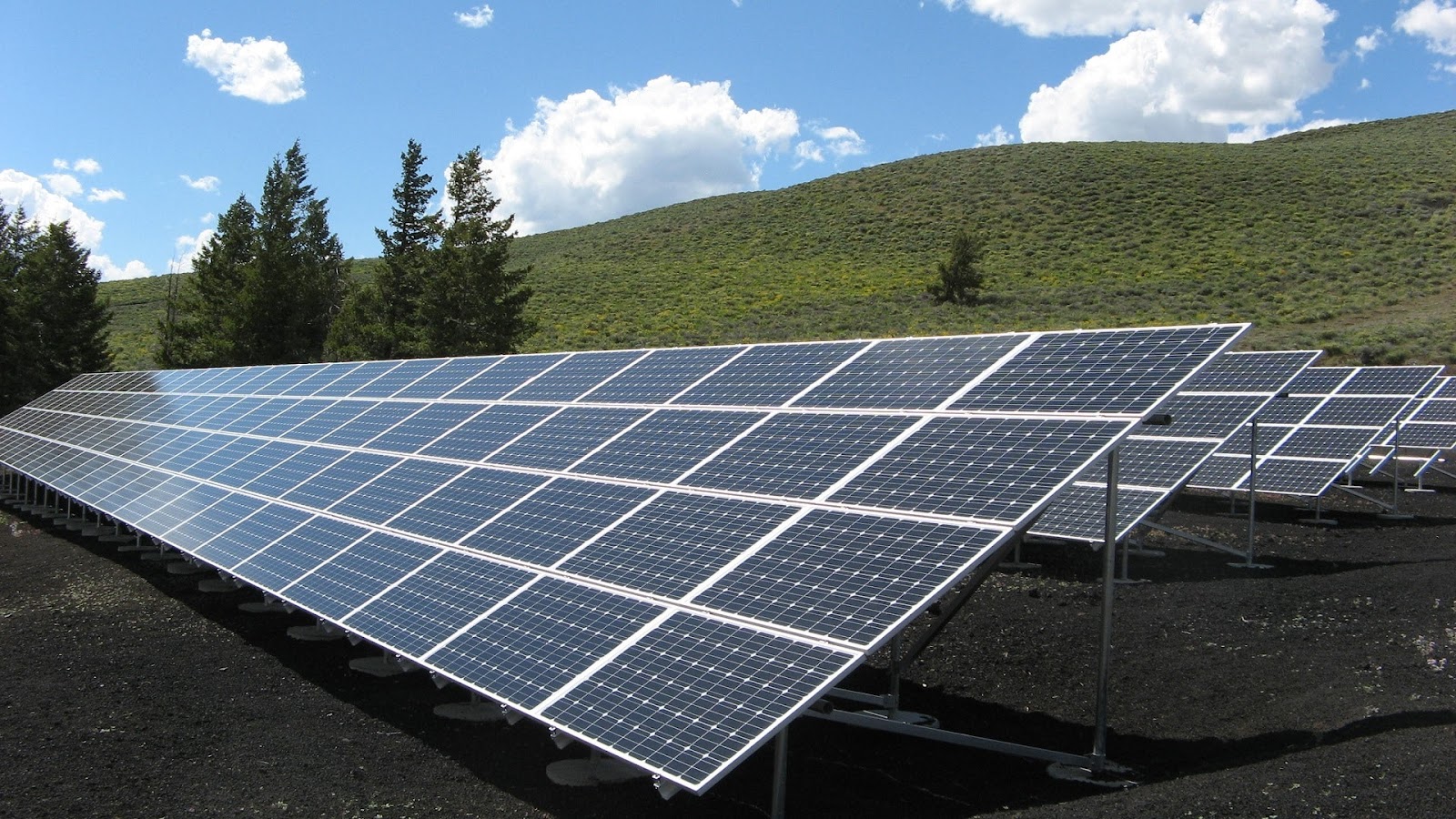
          Going solar in California might cost you an arm and a leg, but trust me, it’s worth it to save the planet and impress your neighbors.

          Pexels-pixabay-159397

          Average Cost of Solar Panels in California

          To learn about the average cost of solar panels in California with different types, dive into this section. You’ll get to know about the cost comparison between various solar panel types, such as monocrystalline, polycrystalline, and thin-film. These sub-sections will provide you with a quick solution for understanding the pricing of solar panels in California.

          Cost of Monocrystalline Solar Panels

          When it comes to the Price of Monocrystalline Solar Panels in California, it is crucial to understand that the cost is subjective to various factors such as brand, efficiency rating and panel size. However, the average price range for these solar panels is estimated between $3.6 and $4.2 per watt.

          To give you a better understanding of the Cost of Monocrystalline Solar Panels in California, we’ve created a table with actual data on current average prices for popular brands like LG, SunPower, and Canadian Solar. The table below shows prices per watt of different sizes.

          Brand

          330W

          360W

          400W

          LG

          $1.35 – $1.70/W

          $1.40 – $1.80/W

          $1.50 – $1.95/W

          SunPower

          $2.60 – $3.00/W

          $2.75 – $3.20/W

          N/A

          Canadian Solar

          $0.95 – $1.06/W

          N/A

          N/A

          It is worth noting that prices are not static and can fluctuate depending on various factors such as market trends and ongoing promotions.

          Aside from the standard pricing brackets, it’s vital to evaluate additional costs such as installation fees or any necessary permit requirements from your local county or city council.

          If you’re planning to invest in Monocrystalline Solar Panels for your home or business, there are several things you can consider to lower overall costs:

          • Purchase during off-seasons when there are typically more significant discounts.
          • Compare quotes from multiple suppliers/contractors before making any purchase decisions.
          • Opt for smaller panel sizes if you have space constraints.

          Always remember that the upfront investment may seem steep but realize that solar panels pay themselves back in savings over time; this option preserves the environment by generating renewable energy while reducing your utility bill. Polycrystalline solar panels may be cheaper, but they’ll never have the same shine as their monocrystalline counterparts, just like cubic zirconia will never be a diamond.

          Cost of Polycrystalline Solar Panels

          Polycrystalline solar panel costs are an important consideration when you’re switching to eco-friendly energy. Below is a table outlining the cost of Polycrystalline solar panels in California. It is crucial to note that these prices only represent the average, and prices may vary based on installation location, installer fees, any additional hardware required, and other factors.

          Size of Panels

          Average Cost

          5 kW

          $12,935

          6 kW

          $15,878

          8 kW

          $21,957

          10 kW

          $28,310

          12kW

          $34,644

          It’s worth noting that larger solar systems tend to result in a lower price per watt compared to smaller systems.

          When considering the cost of polycrystalline solar panels alone, it’s essential not to overlook solar incentives offered by federal and state governments. These incentives can significantly reduce your overall net cost. Additionally,’ free’ installation from some companies can make a significant difference.

          A friend shared her experience with me: She installed these panels for home use as backup power during weather emergencies. She was pleased with how little she spent on electricity bills after installing the panels and appreciated having them when California endured heat waves.

          Why settle for a thin wallet when you can have thin-film solar panels instead?

          Cost of Thin-Film Solar Panels

          When it comes to Solar Panel installation, the cost of Thin-Film Solar Panels is a crucial factor that needs to be considered. Thin-film solar panels are less expensive and lighter in weight compared to traditional solar panels. Hence, the cost of installing them is relatively lower in California.

          Here is a table depicting the Average Cost of Thin-Film Solar Panels in California:

          Type of Thin-Film Panel

          Average Cost ($/Watt)

          Copper Indium Selenide

          $0.76

          Cadmium Telluride

          $0.64

          Amorphous Silicon

          $0.59

          It’s worth noting that prices vary depending on several factors like location, supplier, and warranty period. While Copper Indium Selenide is slightly more expensive than other types, it has the highest efficiency rate among thin-film materials.

          In recent years, technological advancements have also led to an increase in efficiency levels and a reduction in costs for thin-film solar panels. According to a report by the National Renewable Energy Laboratory (NREL), researchers have achieved up to 30% conversion efficiencies for thin-film solar cells which may further decrease the cost.

          According to SEIA (Solar Energy Industry Association), California ranks first in total installed solar capacity in America with over 22 GW systems installed so far. With such high adoption rates and advancements happening within the industry, we can expect more affordable pricing and better technology from Thin-Film Solar Panel manufacturers soon.

          “Why is solar energy so expensive in California? It’s like trying to convince a farmer to switch from his trusty old mule to a Tesla.”

          Factors Affecting The Cost of Solar Panels in California

          To understand what affects the cost of solar panels in California, this section with the title “Factors Affecting the Cost of Solar Panels in California” with sub-sections, “Size of the Solar System,” “Brand and Manufacturer,” and “Installation Cost” can provide solutions. These sub-sections highlight the key factors that play a crucial role in determining the overall cost of owning a solar system in California.

          Pexels-pixabay-433308

          Size of The Solar System

          Solar System Size in California

          The size of the solar system is a crucial factor affecting the cost of solar panels in California. A larger solar panel system will generate more power, but it will also cost more to install.

          Size (kW)

          Average Cost ($)

          3

          $9,255

          5

          $15,425

          7

          $21,595

          10

          $30,850

          Additionally, the size of a solar panel system determines how many panels are needed and the overall surface area required for installation. This information is vital to ensuring that the residential or commercial property can house the necessary equipment without compromising on aesthetic values.

          For those looking to invest in solar panels in California, it is essential to consider the size of the system carefully. While investing more upfront may seem intimidating at first, a larger solar panel system will pay off with higher energy savings and reduced dependence on traditional utility services. Don’t miss out on this opportunity to save money and become environmentally responsible by taking advantage of solar power technology.

          Choose wisely, because a cheap brand of solar panels may leave you watching your savings go up in smoke.

          Brand And Manufacturer

          When it comes to the origin and branding of solar panels, many factors affect their cost in California. One major consideration is the reputation and quality of the manufacturer. Renowned manufacturers with a long-standing history of producing high-quality solar panels will naturally charge more for their products than competitors lacking that level of prestige.

          To illustrate this point, it’s worth noting some actual data on brand and manufacturer pricing. The following table shows average prices for popular brands of solar panels in California:

          Brand Name

          Average Price ($)

          LG

          $3.50

          SunPower

          $4.00

          Canadian Solar

          $2.80

          JinkoSolar

          $2.30

          As you can see from the data presented in this table, there is a significant difference in pricing between different brands and manufacturers. Such variation is due, at least in part, to differences in production costs as well as the differing levels of experience across manufacturers.

          It’s noteworthy that while brand name recognition when it comes to solar panels is crucially linked with pricing, there are many other unique considerations that are impacting price within this industry as well. These include aspects such as property location and energy usage requirements.

          Interestingly, prior to demand driven by climate change and global warming concerns driving solar panel sales into mainstream popularity recent years, prices were considerably higher overall than they have become today. Thanks largely due to advancements made with renewable energy technology over recent decades which has allowed for greater affordability overall for consumers investing in renewable energy solutions moving forward into the future.

          Why pay a fortune for a gym membership when installing solar panels can give you a workout and save you money at the same time?

          Installation Cost

          The cost of setting up solar panels in California includes installation fees. These expenses depend on various factors, such as the complexity of the installation, system size, labor costs, and permitting fees. A larger system that requires more work may cost more to install than a smaller one. Labor costs also vary with location, with urban areas tending to be pricier than rural ones.

          Additionally, permit processing fees and other paperwork must be taken into account when calculating the final cost. The required permits can vary depending on where you live and what kind of solar energy system you are purchasing. These permits can add up quickly and are highly regulated in California.

          Notably, it is important to use high-quality materials while installing solar panels; using substandard materials may lower the initial costs but will increase maintenance expenses later on. Therefore, selecting good quality products from reputable suppliers is important for a long-term investment in your home’s energy efficiency.

          According to a recent study conducted by Berkeley Lab, the average installation cost per watt of solar energy in California was $3.70 in 2020 (source). This study suggests that homeowners should expect to pay around $18,500 for a 5-kilowatt solar panel system before any tax incentives or rebates.

          Saving money never looked so bright – with solar panels, you can enjoy sunny skies and even sunnier savings!

          Savings And Financial Benefits of Solar Panels in California

          To understand how you can save money and reap financial benefits by switching to solar energy in California with “The Cost of Solar Panels in California by Type” article, dive into this section which focuses on the various ways that solar panels can provide savings. The sub-sections will cover federal tax credits and rebates, state and local incentives, and long-term savings.

          Federal Tax Credits And Rebates

          Federal Incentives for Solar Power in California

          The Federal government provides incentives for solar panel installation through tax credits and rebates. These incentives help homeowners and businesses save money while reducing their carbon footprint.

          Incentive

          Amount

          Federal Investment Tax Credit (ITC)

          26% of total system cost

          Federal Business Energy Investment Tax Credit (ITC)

          10-30% of total system cost

          Federal Grant Program for Renewable Energy Systems and Energy Efficiency Improvements

          $50,000 maximum incentive amount per project

          In addition to the federal incentives listed above, the state of California offers additional incentives. For example, the California Solar Initiative provides cash back to customers who install solar panels on existing homes.

          A local business owner recently installed solar panels on their commercial property in California and received a substantial tax credit from the federal government. This helped them significantly reduce their energy bills, allowing them to reinvest that money back into their business. It’s like getting a golden ticket from Willy Wonka, except instead of chocolate, you get cash incentives for going solar in California.

          Pexels-kelly-2800845

          State And Local Incentives

          For those interested in installing solar panels in California, there are numerous state and local incentives available that can help offset the costs. Here are some of the incentives available:

          • Rebates: The California Energy Commission offers rebates for solar panel installations through their New Solar Homes Partnership program.
          • Tax Credits: State and federal governments provide tax credits for solar panel installations which can reduce the total installation costs.
          • Net Metering: Electricity providers give credits for any excess energy produced by the solar panel system, which can be used to offset future electricity bills.
          • Pace Financing: This program allows homeowners to finance up to 100% of their solar panel installation costs through their property taxes.
          • Solar Access Rights: This guarantees homeowners the right to install and use solar energy systems on their property without any restrictions from homeowner associations or other similar organizations.

          It’s important to note that eligibility requirements and incentive values vary based on location. Additionally, several cities and counties offer additional incentives such as reduced permit fees.

          Pro Tip: Always research and double-check eligibility requirements for incentives before making decisions about solar panel installations.

          Don’t let the sun set on your savings – go solar and enjoy long-term financial benefits in California.

          Long-Term Savings From Solar Energy

          Solar Power Financial Benefits in California

          Installing solar panels can provide significant long-term savings for homeowners in California. By generating electricity from sunlight, solar panels can reduce monthly utility bills and, over time, pay for themselves through energy cost savings. Additionally, solar panel owners in California may take advantage of state and federal tax credits to further reduce the cost of installation.

          In terms of unique details, it is worth noting that many solar panel systems come with warranties of up to 25 years, which can provide additional peace of mind. Moreover, because solar panels do not require any moving parts to operate, they require minimal maintenance and have a much longer lifespan than traditional energy sources.

          To maximize savings from solar energy in California, consider utilizing net metering programs offered by utility companies. These programs allow homeowners to sell excess energy generated from their solar panels back to the grid at market rates. Additionally, installing a battery storage system can help maximize energy self-sufficiency and ensure reliable power during outages.

          Overall, investing in solar panels offers long-term financial benefits for Californians. By taking advantage of available incentives and provisions like net metering and battery storage systems, homeowners can mitigate initial installation costs while enjoying significant energy cost savings over the life of their solar panel system. Go big or go home – why settle for a tiny solar panel system when you can power your whole neighborhood?

          Choosing The Right Solar Panel Type And System Size in California

          When considering solar panel options in California, it’s important to choose the right type and size for your needs. Below is a comparison of various solar panel types and system sizes available in California.

          Solar Panel Type

          Average Cost per Watt

          System Size (kW)

          Average Total Cost

          Monocrystalline Solar Panels

          $3.55

          5 kW – 15 kW

          $17,750 – $53,250

          Polycrystalline Solar Panels

          $3.20

          5 kW – 15 kW

          $16,000 – $48,000

          Thin-Film Solar Panels

          $2.95

          5 kW – 15 kW

          $14,750 – $44,250

          It’s important to note that while thin-film solar panels may seem more affordable, they also tend to have lower performance and efficiency compared to monocrystalline or polycrystalline panels. Moreover, beyond just selecting the right type of solar panel, one must consider additional factors such as shading on the roof or geographical location.

          A San Diego family recently invested in a high-performance monocrystalline solar panel system for their home and were able to pay off their initial investment within six years thanks to the energy savings. With net metering offered by their local utility company and federal tax incentives, they continue to enjoy substantial savings on electricity costs – paving the way for a more sustainable future for themselves and their community.

          • The Process Of Changing Your Name In California

            The Process Of Changing Your Name In California

            How Much Does It Cost To Change Your Name In California

            The process of legally changing your name in California can be quite involved. It requires filling out forms, appearing in court, and going through a background check. Fees for filing the paperwork and additional costs related to publishing notices of the name change in newspapers should also be taken into account.

            To begin the name-changing process in California, an individual must first obtain a copy of their birth certificate as well as their marriage license or divorce decree if applicable. They must then fill out various forms provided by the court, including a Petition for Change of Name and Order to Show Cause for Change of Name. Once these forms are completed, they must be filed with the county clerk’s office.

            After filing the necessary paperwork, individuals will receive a court date where they will present their case before a judge. If all goes well and there are no objections to the name change, the judge will issue an order granting the name change.

            Something unique about California’s process is that once someone has received approval from the judge to change their name, they must then publish a notice of intention to change their name in a newspaper of general circulation once a week for four consecutive weeks. After this is complete, individuals must file proof of publication with the court.

            As with any legal process, it can be helpful to hear about other people’s experiences going through it. One individual shared how changing her last name after getting married was easy – she simply included the request on her marriage certificate and paid a nominal fee at the courthouse when registering it. However, changing her first name required much more work and involvement with lawyers due to legal complications.

            Get ready to rummage through your archives, because changing your name in California requires more paperwork than filing your taxes.

            Required Documents for Name Change in California

            To complete the name change process in California, you need to provide certain documents. In order to make it easy for you, this article focuses on the “Required Documents for Name Change in California” section, with sub-sections like “Birth Certificates and Legal Name Changes”, “Marriage Certificates for Name Changes”, and “Court Orders for Name Changes”.

            Birth Certificates and Legal Name Changes

            Legal Name Changes: Vital Records and Paperwork

            When changing your legal name in California, it is essential to have the proper documentation on hand. This includes a certified copy of your birth certificate, which is necessary to prove your identity and date of birth. You will also need legal paperwork of the name change, such as a court order or marriage certificate.

            Additionally, some individuals may need to provide other documentation depending on their specific situation. For example, if you are a non-U.S. citizen applying for a name change, you may be required to present additional paperwork.

            Remember that failing to provide the necessary documents could result in delays or even rejection of your name change application. It’s important to do thorough research and ensure you have all the required paperwork before beginning the process.

            Don’t risk missing out on opportunities because of an outdated legal name. Make sure you have all necessary documentation ready for your California name change application.

            Who knew tying the knot could lead to so much paperwork? Get ready to dig out that old marriage certificate for your name change in California.

            Marriage Certificates For Name Changes

            For a name change in California after marriage, providing the Marriage Certificate is an essential document. The certificate must be an original or certified copy, issued by the County Clerk-Recorder’s office where the marriage license was originally obtained. This certificate must have both spouses’ names along with the date and location of marriage.

            If the Marriage Certificate is not available, a court order authorizing a name change will be required instead. Additionally, a certified copy of this court order needs to be submitted to complete the gender marker or name change process on all legal documents.

            It is important to note that all documents that are submitted for a name change must be in English or come with an official English translation. Originals or certified copies are accepted by many agencies except for Social Security Administration (SSA), which requires certified copies only.

            Ensure that your documents have been recently issued – SSA may likely reject immigration documents over two years old.

            Submitting complete and accurate documents with no errors can greatly increase your chances of getting approval for your name change without delays.

            You don’t need a court order to change your name to Beyoncé, but it certainly helps.

            Pexels-giovanni-calia-2181230

            Court Orders For Name Changes

            Changing your name in California requires a court order, which involves a legal process requesting for a new name. This process can only be granted if you have valid reasons that comply with the state’s regulations.

            To acquire a court order for name change in California, one must file a petition, attend a hearing, and publish required notices, among others. Additionally, you must provide valid government-issued identification cards and fingerprints.

            It is important to note that individuals who are changing their names due to marriage or divorce do not need a court order but must still follow certain procedures.

            According to the California Courts website, A Petition for Change of Name (form NC-100) can be used to ask the court to change your name. You will also need to fill out several other forms and pay filing fees.”

            In summary, getting a court order for name change in California requires proper steps and documentation complying with the state’s regulations and guidelines. Ready to ditch your old identity like a bad habit? Follow these steps to legally change your name in California.

            Steps to Change Your Name in California

            To change your name in California, follow the steps in this section titled “Steps to Change Your Name in California.” You will learn about each sub-section, which includes “Filing a Petition for Name Change,” “Publishing Name Change Notice,” “Obtaining a Court Order for Name Change,” and “Updating Personal Records and Identification.”

            Filing a Petition For Name Change

            When considering a name change in California, you will need to apply for a legal petition. This process involves several steps that must be followed carefully to ensure success.

            1. Step 1: Fill out the necessary paperwork from your local courthouse or online. The documents will require detailed information about yourself and the reason for the name change.
            2. Step 2: Obtain a Local Criminal Record Check from police departments in every county you have lived in since turning 18.
            3. Step 3: Attend a hearing in front of a judge, present your case, and wait for their decision.

            It is important to note that changing your name can be complicated and time-consuming, with an average cost of $435. However, if successful, it can have significant benefits both personally and professionally. A name change may help with identity protection or cultural preferences.

            Finally, a chance for your ex to see you in the newspaper for something positive as you publish your new name change notice in California.

            Publishing Name Change Notice

            As per California state laws, publishing a notice of name change is a mandatory requirement to complete the process. You must publish your name change in an approved newspaper for four consecutive weeks. The notice must include your previous name, new name, and information on how to object to the change.

            Upon completion of publishing your name change notice, the newspaper will provide you with an affidavit as proof of publication. Keep this affidavit safely as it is required when you file the petition for a change of name with the court.

            It is important to note that if you have changed your name due to a marriage or divorce decree, you do not need to publish a notice in the newspaper. However, you still need to file legal paperwork with the court for an official name change.

            A woman named Sarah recently went through the process of legally changing her last name after getting married. She had to go through many forms and processes and felt overwhelmed at times but was glad she did it correctly following California state laws.

            Who knew changing your name in California required a court order? Looks like the only thing easier to obtain than a name change is a restraining order.

            Obtaining a Court Order For Name Change

            To legally change your name in California, you need to acquire a court order. You can do this by submitting a petition for name change in the Superior Court in the county where you reside, with appropriate supporting documents and fees. Once the forms are filed, a date will be set for your hearing.

            During the hearing, you will present the reasons for your name change request to the judge. If everything is satisfactory, the judge will sign an order granting your name change. You need to update all legal documents and government records after obtaining this order.

            Keep in mind that if you have any outstanding debts or criminal records, they may affect your request for a name change. Additionally, it might take several weeks or months to obtain a new birth certificate and Social Security card with your new name.

            Don’t let fear of missing out keep you from changing your name professionally and legally. Do thorough research, prepare yourself well before filing for a petition for name change in California and enjoy the benefits of having a new identity that reflects who you are now.

            Time to update your personal records and identification, because being called by the wrong name at the DMV is the ultimate form of torture.

            Updating Personal Records And Identification

            To update your personal records and identification in California, there are specific steps you must follow. These include:

            1. Filling out an application form and providing relevant identification documents to the authorities.
            2. Once they approve the request, you will need to update your social security card, driver’s license, passport, and other essential documents accordingly.

            It is essential to keep in mind that changing your name can be a lengthy and expensive process. Due to this reason, it is advisable to hire the services of an experienced attorney who will guide you through the process.

            While updating personal records may seem like a small task, it can have significant implications. It can affect various aspects of your life such as employment or financial records. Therefore, it is crucial to ensure all necessary documents reflect the new name accurately.

            As one California resident shared their experience of updating their name on legal documents; It was a time-consuming process that required attention to detail. However, with the help of an attorney familiar with California laws and procedures, the transition was smooth and painless.

            If money talks, then changing your name in California must be a full-on conversation.

            Pexels-jonathan-schmer-2602599

            How Much Does it Cost to Change Your Name in California?

            To change your name legally in California, you’ll need to know the costs involved. With this section on “How much does it cost to change your name in California?” and its sub-sections – “Court filing fees for name change,” “Publication fees for name change notice,” and “Additional fees for name change services” – you’ll get an overview of the expenses involved in the process.

            Court Filing Fees For Name Change

            When applying to change your name legally in California, you’ll need to pay a fee. The cost of the court filing fees for a name change varies depending on the type of name change and other factors.

            Below is a table that highlights the Court Filing Fees for Name Change:

            Type of Name Change

            Fee

            Adult Name Change

            $435

            Minor Name Change (Parental Request)

            $435

            Minor Name Change (Non-Parental Request)

            $635

            It’s important to note that this table provides current and actual data of court filing fees for name changes in California as at 2021.

            If additional copies of your name change order are required, you may incur extra charges. These fees might differ based on each county’s individual regulations.

            A man from San Diego, Dr. Mark Smith shared his story about changing his name legally and discovering that he had to pay extra fees when he acquired more than one copy of the legal order. This tale serves as an elegant reminder to ensure you’re aware of what expenses you can expect when undergoing a name change.

            Looking to change your name in California? Get ready to shell out some cash because the publication fees for the mandatory notice alone will have you second-guessing that new moniker.

            Publication Fees For Name Change Notice

            When changing your name in California, one of the fees you’ll need to pay is for publishing a notice of the name change in a local newspaper. This fee is called the Publication Fees for Name Change Notice.

            To give you an idea of what to expect, we’ve created a table of sample costs based on different areas and newspapers. Please note that these are just estimates and actual costs may vary.

            Area

            Newspaper

            Cost

            Los Angeles County

            Los Angeles Daily Journal

            $95-$130

            San Francisco Bay Area

            San Francisco Examiner

            $70-$450

            Riverside/San Bernardino County

            Press-Enterprise

            $200-$350

            It’s important to remember that the exact cost will depend on a variety of factors, including the newspaper chosen and where you’re located. Costs can also fluctuate depending on the season and circulation size.

            Pro Tip: To save money, consider researching several newspapers and comparing their prices before choosing which one to publish your notice in.

            Looks like changing your name in California not only requires cash, but also comes with some sneaky additional fees. Don’t forget to bring your wallet and a magnifying glass!

            Additional Fees For Name Change Services

            Additional Fees for Changing Your Name in California

            Changing your name requires more than just filing a petition, and you will need to pay additional fees on top of the basic filing fee. Here are the extra fees that you may incur when changing your name in California:

            • Fingerprints: You must submit fingerprints for both state and national criminal background checks, which typically cost around $100.
            • Court Order Copies: If you want certified copies of the court order approving your name change, each copy will cost $25.
            • New Identification Documents: After changing your name, you will need to obtain new identification documents, such as a driver’s license or passport, which come with their own fees.

            It is vital to note that these additional costs may vary depending on each case’s individual circumstances.

            If you have a criminal history record, this could result in an additional fee due to the requirement of submitting court dispositions.

            California courts generally do not accept personal checks or credit/debit cards when paying for these fees. Ensure that you bring enough cash or money orders to cover all associated expenses.

            Changing your name in California may seem daunting, but it’s a ‘name game’ worth playing if you’re ready for a fresh start.

            Considerations For Changing Your Name in California

            To make a name change in California, you need to be aware of certain considerations. Among them are criminal record and name change approval, name change and bankruptcy, and name change and child support. These sub-sections provide solutions for individuals who may need to navigate these situations.

            Pexels-erick-nuevo-2402957

            Criminal Record And Name Change Approval

            Changing your name in California with a criminal record can be a complex process. The court typically approves name changes unless it would harm public interests or deceive others. However, certain criminal convictions may create obstacles.

            Having a criminal record does not automatically disqualify you from changing your name. But, some convictions require disclosure to the court, and the judge may consider factors such as the severity of the crime and how recently it occurred. A conviction for fraud, identity theft, or any deceptive act that intentionally misrepresents one’s identity could be especially problematic.

            If you have a criminal past, consult an attorney familiar with California law and name change procedures who can help you complete the appropriate forms and make sure all requirements are satisfied before submitting your petition. Precise documentation is required, including background checks with fingerprints taken by local law enforcement agencies.

            Failing to follow procedures accurately could delay or even deny your name change request. Make sure to provide all necessary information, take time to prepare all documents thoughtfully and carefully so you don’t miss out on any critical detail during this process.

            Why shout ‘bankruptcy’ when you can just whisper ‘name change’?

            Name Change And Bankruptcy

            Changing your name during bankruptcy can impact the process. It requires notifying all creditors and undergoing a legal name change process. This can extend the timeline of your bankruptcy case, incur additional fees, and complicate matters with the court.

            If you proceed with a name change before filing for bankruptcy, it may still impact the process as you will have to notify all creditors and update all legal documents. It is crucial to consult with a bankruptcy attorney to understand the consequences and steps to take before changing your name.

            Additionally, creditors may view a name change during bankruptcy as an attempt to hide assets or avoid debts. The court may scrutinize your motives and request additional information on why you want to change your name.

            It is suggested that individuals wait until after their bankruptcy case has concluded before changing their name to prevent any complications or delays in the process. However, if necessary, consult with a bankruptcy attorney before proceeding with any legal changes.

            Changing your name won’t change your child support payments, but it might change the amount of sympathy your ex gets from their friends.

            Name Change And Child Support

            When changing your name in California, it’s important to consider how it might affect child support payments. The court may have trouble enforcing payment orders if the name on the order and the name on official identification don’t match. It’s crucial to update all documentation once a name change is complete.

            Additionally, if you’re seeking a name change during ongoing child support proceedings, you must notify the other party and provide evidence of the change. Failure to do so may result in complications with future enforcement actions or even a dismissal of your case.

            Remember that even if a name change has been granted, child support orders remain in place until modified by the court. Make sure to contact your county’s local child support agency for assistance with updating your information.

            It’s important to note that changing one’s name does not discharge any accumulated debt owed under a child support order. In fact, accumulating delinquent payments can lead to license suspension, liens or wage garnishments according to Department of Child Support Services (DCSS).

            Changing your name in California may be a hassle, but at least you won’t have to write out your full name on those annoying Scantron forms.